
The fascinating transformation of casinos through the ages
The Origins of Casinos
The history of casinos dates back to ancient times when gambling was a popular pastime across various cultures. Evidence from archaeological sites suggests that civilizations such as the Greeks and Romans engaged in games of chance, often in social settings. The concept of a dedicated space for gambling began to take shape in the 17th century with the establishment of the first official casinos in Italy, notably in Venice. Today, for those seeking insights into the industry, numerous resources offer online casino reviews that provide an understanding of how it has evolved.
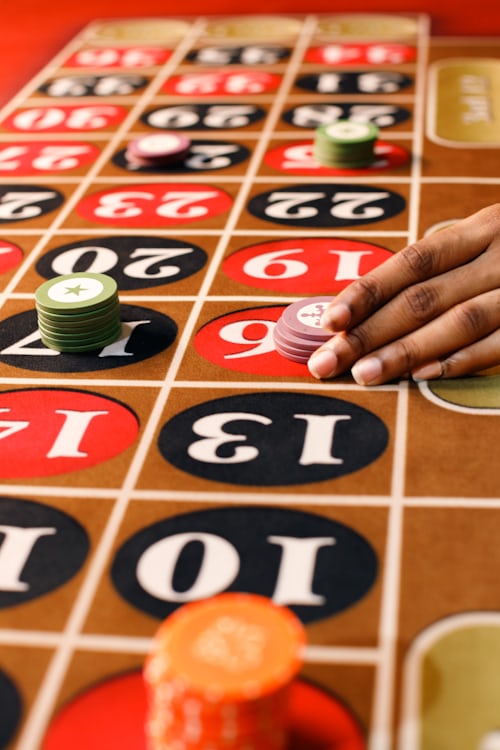
These early casinos offered a mix of gaming options, from card games to dice, allowing patrons a venue to indulge in their love for chance. The opulence of these establishments attracted the elite, setting the foundation for what would evolve into the glamorous casino industry we know today. As gambling became more organized, the appeal of these venues began to spread across Europe.
The Rise of Modern Casinos
The 19th century marked a significant turning point in the evolution of casinos, especially with the establishment of the Monte Carlo Casino in 1863. This iconic venue transformed the gambling landscape, introducing lavish entertainment and luxury accommodations. The success of Monte Carlo inspired other regions, leading to the proliferation of casinos across Europe and America, particularly in gambling hubs like Las Vegas.
This era also saw the birth of various popular games, including poker and roulette, which further enhanced the allure of casinos. As gaming regulations began to take form, operators sought to create environments that appealed to both gamblers and tourists alike, crafting experiences that combined leisure with the thrill of chance.
The Technological Revolution
The late 20th century ushered in a technological revolution that drastically transformed the casino industry. The introduction of video slot machines and electronic gaming devices revolutionized how players interacted with games. These innovations attracted a younger audience and provided a more engaging gambling experience, paving the way for further advancements.
Moreover, the rise of the internet in the 1990s marked the dawn of online casinos. This digital shift allowed players to enjoy their favorite games from the comfort of their homes, breaking geographical barriers. As technology continued to advance, features like live dealer games emerged, merging the thrill of traditional casinos with the convenience of online gaming.
The Impact of Global Regulations
As casinos expanded globally, so too did the need for regulation to ensure fair play and responsible gambling. Countries adopted various legal frameworks, influencing how casinos operated. In places like Las Vegas, strict regulations emerged to protect both players and operators while promoting economic growth.
Additionally, the rise of responsible gambling initiatives and awareness campaigns reflected a growing recognition of the potential risks associated with gambling. These regulatory measures not only helped maintain the integrity of the gaming industry but also fostered a safer environment for patrons worldwide. The evolution of laws surrounding gambling continues to shape the future of casinos, balancing entertainment with ethical considerations.

The Future of Casinos
The future of casinos promises to be as dynamic as their past, with ongoing advancements in technology and shifting consumer preferences. Virtual reality and augmented reality are set to redefine the gambling experience, making it more immersive and engaging. Innovations in mobile gaming further expand accessibility, allowing players to enjoy their favorite games anytime, anywhere.
As casinos adapt to these changes, they also face challenges such as increased competition from online platforms and changing societal attitudes towards gambling. Staying ahead in this rapidly evolving landscape requires a blend of tradition and innovation, ensuring that casinos remain not just places for games of chance but vibrant entertainment hubs for generations to come.